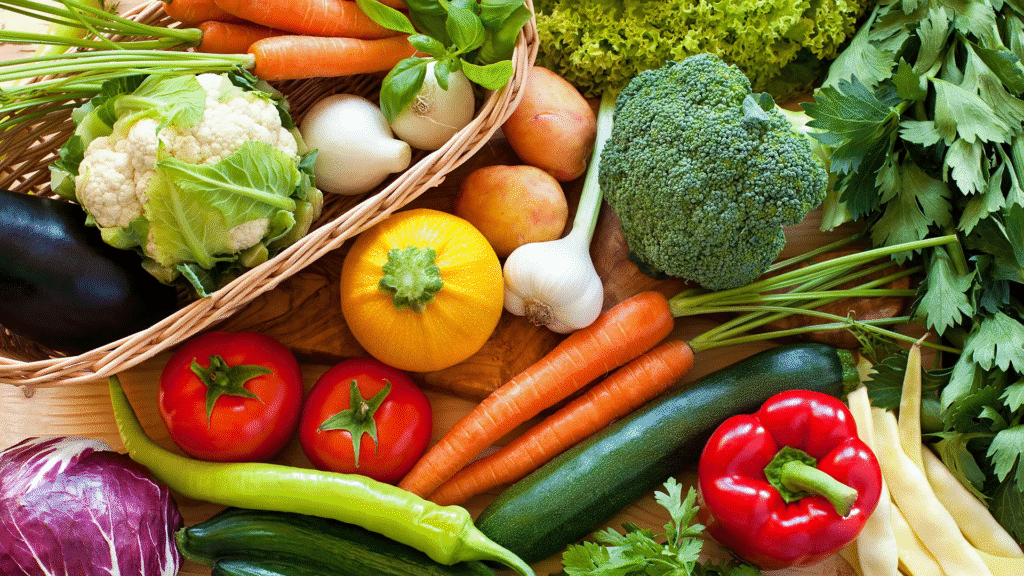
Vegetables are nature’s colourful gift to our plates—and our health. But did you know that how we cook them can make a big difference in how much goodness they retain? Here’s a down-to-earth guide to cooking veggies in a way that keeps them nutrient-rich and delicious.
1. Choose fresh, crisp vegetables
Start with good‐quality produce: firm roots (like carrots), vibrant greens (such as spinach or kale), and healthy “bulky” vegetables (like broccoli or capsicum). The fresher they are, the more vitamins and minerals they’ll carry into your cooking.
Tip: Avoid wilted leaves or soft spots—those are signs nutrients may already be breaking down.
2. Wash gently and chop just before cooking
Once you bring the veggies home, give them a good rinse under running water. But here’s a key step: chop them right before you cook them, not hours ahead. Why? Because the moment you cut a vegetable, you trigger enzymatic activity and moisture loss—both of which can reduce nutrients over time.
Also, if vegetables are left at room temperature (or worse, in warm, damp conditions) after chopping, microbes may begin to grow. So, for food safety and nutrition, it’s best to prep and cook in one flow.
3. Use the right cooking methods
Vegetables don’t always need to be “over‐cooked” until mushy. Here are some methods that help preserve nutrients and flavour:
- Steaming: Especially good for leafy greens, broccoli and cauliflower. Because the veggies don’t touch hot water, many vitamins stay intact.
- Sautéing lightly: Use a small amount of healthy oil (such as olive or coconut) and toss in aromatics (like garlic, mustard seeds, cumin). Add the vegetables and cook until just tender. This method offers flavour without overcooking.
- Blanching and then refreshing: For vegetables you’ll use in salads or stir-frys. Quickly boil, then plunge into ice water—this stops cooking and locks in colour and crunch.
Avoid cooking vegetables for too long in high heat or deep frying—excessive heat can degrade heat‐sensitive nutrients like vitamin C and some B vitamins.
4. Add spices wisely
If you’re adding spices or herbs, consider when to add them. Some spices release flavour and beneficial compounds when added early; others shine at the end. For example:
- Turmeric, cumin or coriander seeds can bloom in hot oil early on—bringing out both flavour and health benefits.
- Finishing touches like fresh herbs, chopped coriander, lemon juice or pepper are ideal at the end—they retain their brightness and don’t get “cooked away.”
This timing helps you get maximum flavour and maximum benefit from both the vegetables and the spices.
5. Plan your servings smartly
- Try to serve vegetables soon after cooking—not hours later. Over time, some nutrients may break down and microbial growth can become a risk if the food isn’t stored properly.
- If you must store cooked vegetables, let them cool quickly, cover them well (foil or food wrap) and refrigerate.
- Re-heating is fine, but avoid re-heating multiple times; each re-heat can degrade nutrients further and increase spoilage risk.
6. Simple serving suggestions
- For a week‐night dinner: sauté spinach or mustard greens with garlic, cumin and a splash of fresh lemon. Serve alongside chapati or rice and dal.
- For a weekend family meal: steam broccoli florets, toss with olive oil, a hint of chilli flakes and toasted cashews.
- To sneak vegetables into picky eaters’ plates: finely chop carrots, beans, capsicum and add into a light coconut-milk curry. The texture is gentle and the colour appealing.
7. Why it all matters
Vegetables are packed with fibre, vitamins, minerals and phytochemicals—yet how we handle and cook them affects how much of that goodness we actually absorb. Cutting too early, cooking too long, overheating and letting cooked food sit too long are all small steps that gradually chip away at the benefit. By paying attention to these little details, you’ll get meals that are both healthier and tastier.
Final thoughts
Transforming vegetables from “just side dish” to “star of the plate” is about a mindset shift: choosing fresh, cutting just before cooking, using gentle methods, adding spices at the right time and serving soon. When you cook with that mindset, veggies won’t just look good on the plate—they’ll deliver on nutrition, flavour and satisfaction.
Next time you prep those greens, roots or crunchy ones, remember: the way you treat them in the kitchen can make all the difference.