Shattila Ekadashi is a revered Hindu festival that holds immense spiritual significance. Celebrated annually on the eleventh tithi (Ekadashi) of the Hindu calendar, this year’s Shattila Ekadashi falls on Saturday, January 25, 2025. Devotees observe this day with great devotion, seeking the blessings of Lord Vishnu and Goddess Lakshmi, fasting, and performing acts of charity for spiritual upliftment.
Shattila Ekadashi 2025: Key Dates and Parana Timings
As per Drik Panchang, here are the crucial timings for Shattila Ekadashi:
- Parana Time (Breaking the Fast): 7:12 AM to 9:21 AM on January 26, 2025
- Dwadashi End Moment: 8:54 PM on January 26, 2025
- Ekadashi Tithi Begins: 7:25 PM on January 24, 2025
- Ekadashi Tithi Ends: 8:31 PM on January 25, 2025
Note: Parana, or breaking the fast, should be done after sunrise on the day following Ekadashi (Dwadashi Tithi). It is essential to observe Parana within Dwadashi Tithi unless it ends before sunrise.
Shattila Ekadashi: Vrat Katha and Significance
According to the sacred scriptures, Shattila Ekadashi underscores the importance of fasting, devotion, and charity:
- Legend of the Brahmin Woman: A devoted Brahmin woman worshiped Lord Vishnu but did not practice charity. To teach her the value of donation, Lord Vishnu visited her in the guise of a saint. The woman, having no food to offer, gave him a lump of mud. Pleased with her gesture, Lord Vishnu guided her to perform the Shattila Ekadashi fast and donate sesame seeds. By doing so, she earned a place in Vaikunth Lok (Lord Vishnu’s abode) and lived a blissful life for thousands of years.
This tale emphasizes the dual merits of devotion and selfless acts of giving, particularly with sesame seeds. Observing this vrat purifies the soul, brings prosperity, and ensures spiritual growth.
Rituals of Shattila Ekadashi
- Prayer and Worship: Devotees offer prayers to Lord Vishnu, recite Vishnu mantras, and seek blessings for health, prosperity, and spiritual well-being.
- Fasting Rules:
- Avoid grains, oil, and cooked meals.
- Consume fruits, vegetables, and roots during the fast.
- Break the fast with a light meal in the evening or during Parana time the next day.
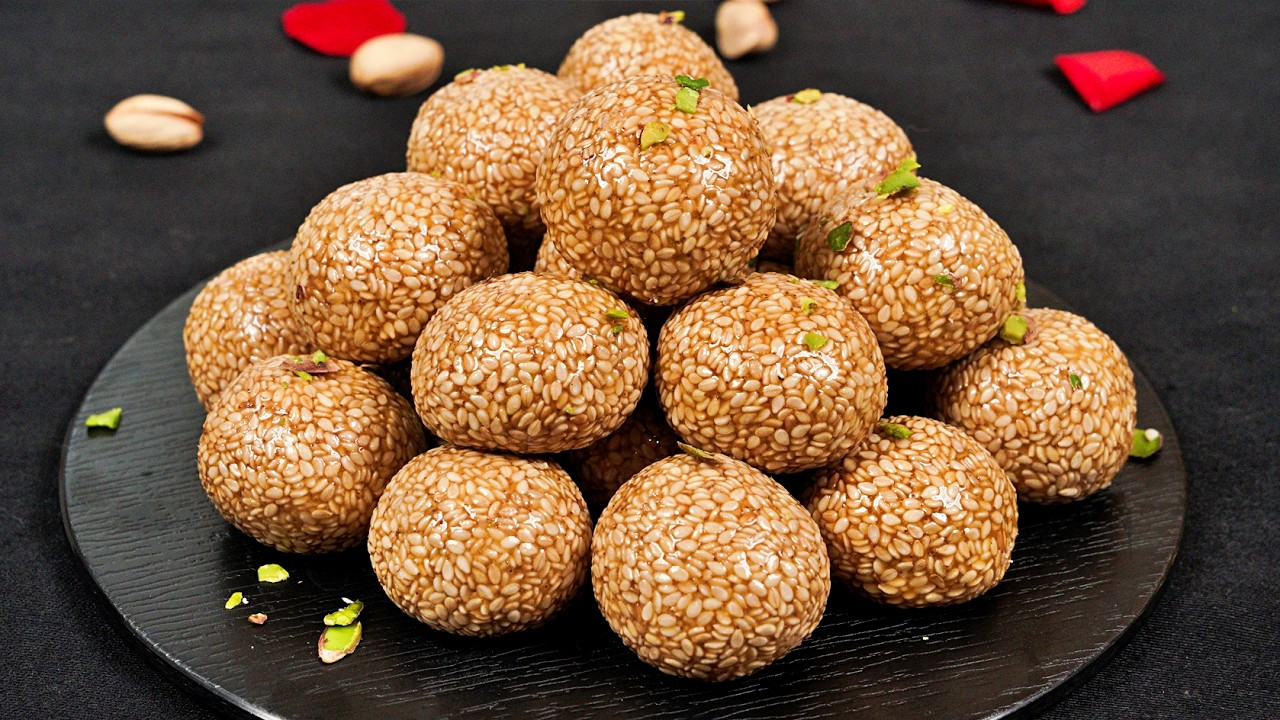
- Charity: Donating sesame seeds (til) is a vital ritual. Sesame seeds can be given to temples, the poor, or used for puja offerings.
- Holy Bath: Taking a dip in a sacred river on this day is considered highly auspicious and purifying.
Shattila Ekadashi: Symbolism of Sesame Seeds
The name “Shattila” comes from the word tila (sesame seeds), which holds deep spiritual importance. It signifies purification and is used for donations, pujas, and consumption during the fast. Offering sesame seeds on this day helps eliminate sins and attracts divine blessings.